


What Are the Pre‑Raphaelites? A Deep Dive Into the Movement That Changed Art History
- Dec 19, 2025
- 3 min read
Updated: Jan 21
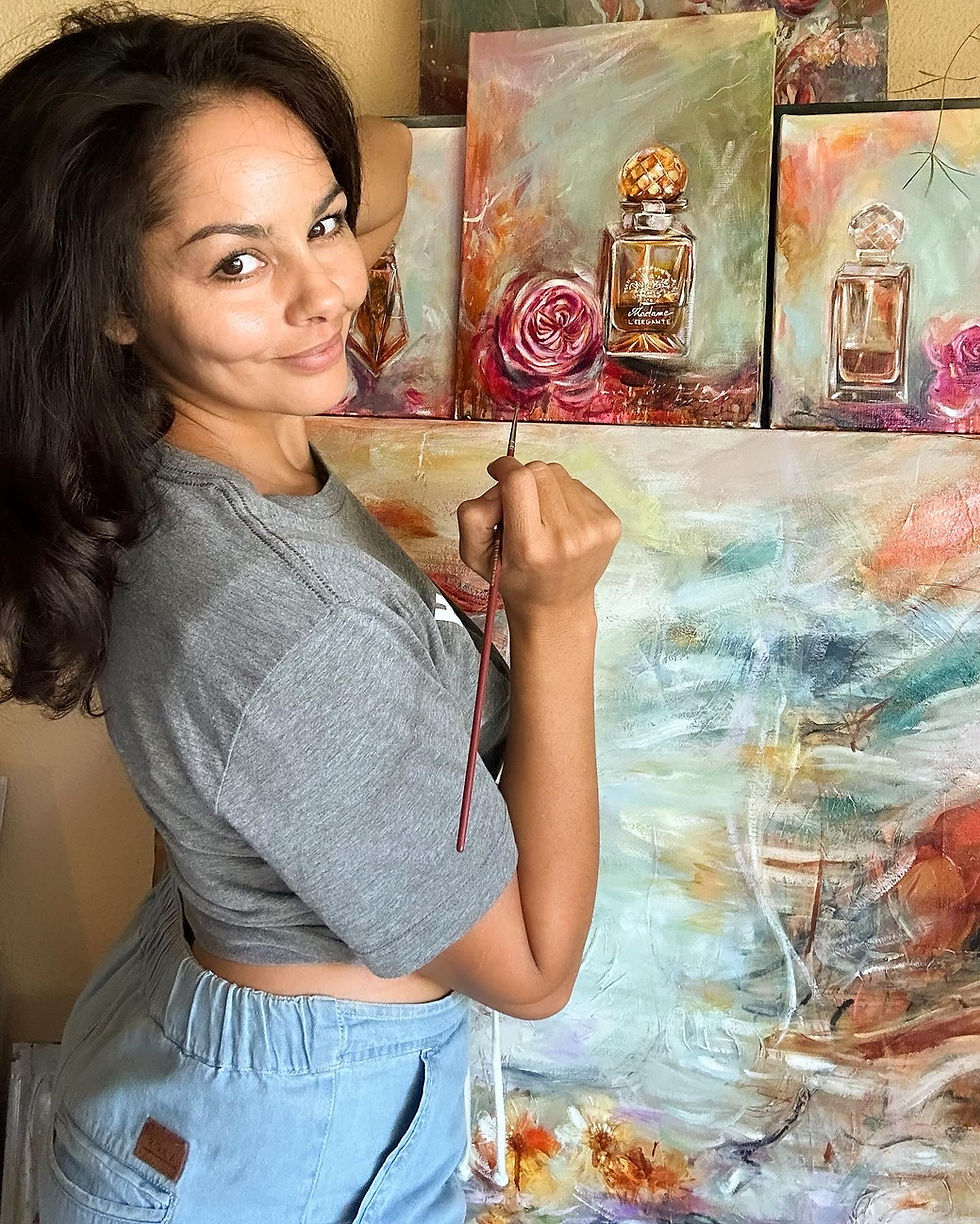
About Me: I’m Naïma, a painter, poet, and wild dreamer devoted to exploring feminine beauty, nature, and mystery through art. Like the Pre‑Raphaelites whose work I adore, I believe beauty is truth and truth is art.
What Was the Pre‑Raphaelite Brotherhood?
The Pre‑Raphaelites were a group of young British artists who formed the Pre‑Raphaelite Brotherhood in 1848 in London, united by a desire to break free from the rigid and academic rules of the Royal Academy.
Their name — Pre‑Raphaelite — means they looked to the art before Raphael (the Italian Renaissance master) for inspiration, believing that earlier art held a truer connection to nature, emotion, and spiritual beauty.

Founders included Dante Gabriel Rossetti, William Holman Hunt, and John Everett Millais, who were later joined by other painters, poets, and thinkers who shared their vision.
I had the joy of visiting the exhibition at Tate Britain, seeing many original works, it was truly unforgettable! I also recommend the *Petit Palais in Paris*, which houses a permanent collection that is an absolute must-see.
Why Did They Rebel Against Academic Art?
At the time, the Royal Academy dominated British art with a style that prioritized idealized figures, polished technique, and traditional themes. The Pre‑Raphaelites rebelled against this, seeking art that was honest, vibrant, and rooted in the real world from nature’s details to authentic human emotion.
They believed in truth to nature, painting every leaf, blade of grass, and texture with meticulous care, even if that meant showing imperfections.
Their mission?
Paint from life and from lived experience.
Reject formulaic technique and idealization.
Infuse art with moral seriousness, poetic symbolism, and spiritual resonance.
What Themes Did Pre‑Raphaelite Art Explore?
Pre‑Raphaelite art is rich with stories, symbolism, myth, and emotion:
The Pre-Raphaelite movement is one I deeply connect with, and it inspires me profoundly in my own art. Intuitively, I was already painting women’s portraits intertwined with nature and rich in symbolism: roses, butterflies, and other elements that celebrate the feminine soul. So when I saw these paintings in real life and learned about their story, it felt like a mirror of my own artistic journey, seeing how they celebrated women, nature, and symbolism gave me a deep sense of connection and inspiration to continue exploring these themes in my own work.

Nature and Realism
Detail wasn’t just an aesthetic choice, it was a philosophy. Every flower, river, and forest scene was painted with botanical precision to honor the natural world.

Literature, Myth, and Medieval Lore
Their paintings often drew inspiration from Shakespeare, Arthurian legend, and poetry fusing visual art with narrative depth.

Spiritual and Moral Quest
Many works reflected religious and ethical questions, using familiar stories to explore human longing, suffering, love, and redemption.
Feminine Beauty and Complexity
Women were not merely muses but central figures in countless Pre‑Raphaelite works. These portrayals carried depth, emotional agency, and symbolic meaning, reshaping Victorian ideas about femininity and beauty.

What Are the Most Iconic Pre‑Raphaelite Artworks?
Some of the best‑known examples include:
Ophelia: Michael‑era realism meets tragic poetry.
The Light of the World, symbolic spirituality in nature.
Rossetti’s portraits of women, luminous, emotional, tactile.
Millais and Hunt’s meticulously detailed scenes of beauty and moral reflection.
These works continue to captivate because they are more than images, they are stories, feelings, poetry, and hidden meaning on canvas.

Why Do the Pre‑Raphaelites Inspire My Art?
The Pre‑Raphaelites’ celebration of beauty, emotion, and symbolism deeply resonates with my own artistic journey.
As a painter and poet, I am drawn to exploring the essence of women: their wildness, strength, and vulnerability, just as the Pre‑Raphaelites did in their portraits.
Their use of symbols like flowers, butterflies, and myth inspires the way I infuse my canvases with poetry, soul, and feminine energy.
Every time I return to my easel, I feel their influence guiding me to paint not just what is seen, but the hidden beauty and spirit of the woman, the wild and free self I seek to capture in every brushstroke.



Comments